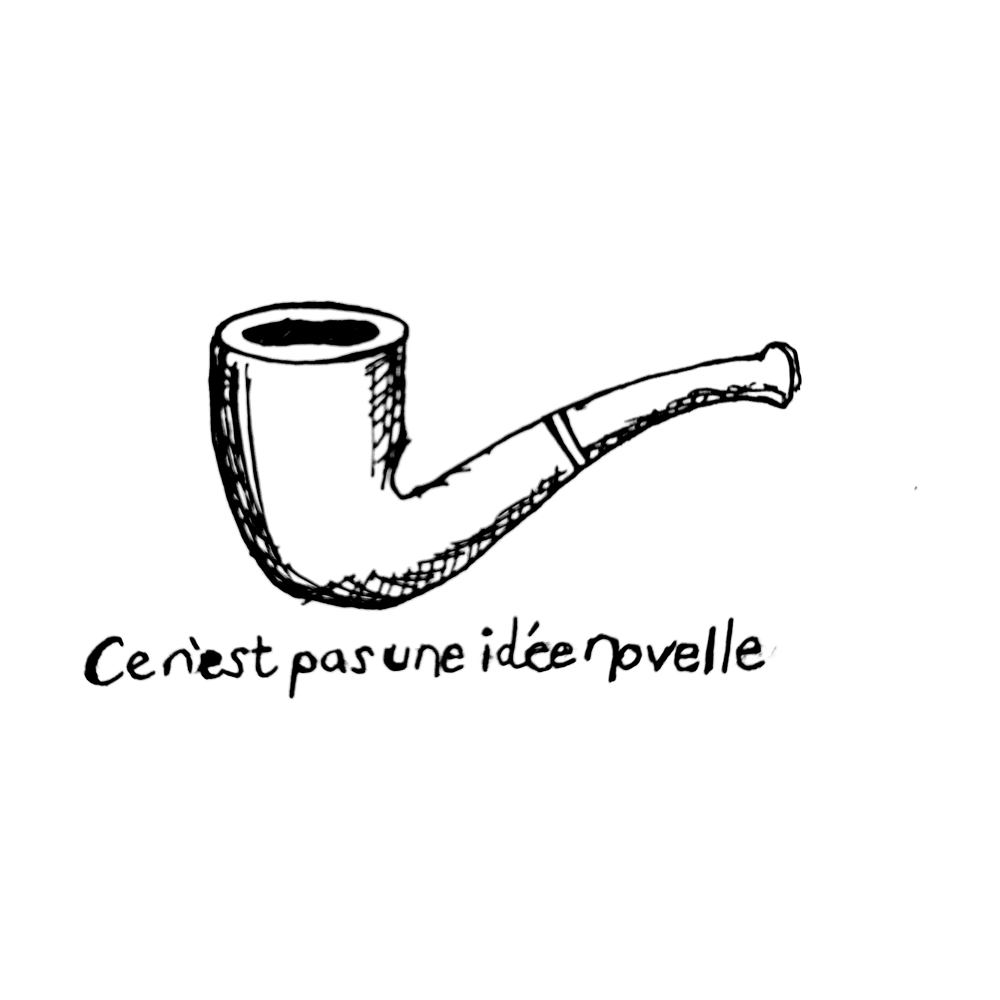

Let me get the embarrassing bit out of the way. In my first year at university, I failed the module on postmodernism. Properly failed it, and had to retake it in summer school while everyone else was on a beach. My lecturer, if he is reading this, is about to enjoy himself enormously.
Because I have finally understood it. It just took twenty-odd years and a chatbot.
Here is postmodernism, roughly, for anyone who also had better things to do that term. The big idea is that everything has already been done. Originality is over. All that is left is recombination: you either borrow power from the thing you are referencing, or you take the mick out of it. Fredric Jameson called the neutral version pastiche, imitation with no conviction behind it, dead forms shuffled endlessly because there is nothing new left to say. Baudrillard went further: we are surrounded by simulacra, copies with no original, images of images of images.
I sat in that lecture theatre thinking this was pretentious nonsense. Reader, I have seen the future, and it is pretentious nonsense at scale.
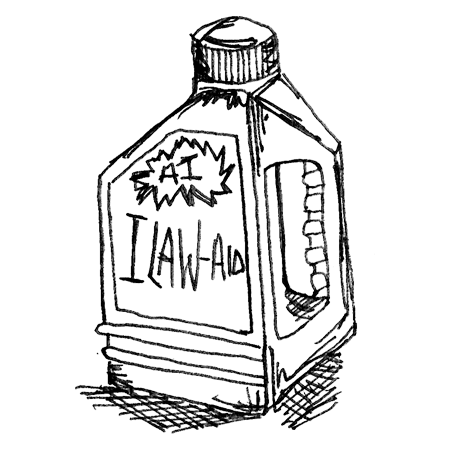
Because what is a large language model if not the pastiche machine made real? It has read everything and originated nothing. It cannot make a mark that is not a recombination of marks it has already seen. It is a copy engine with no origin, no intent, and no skin in the game. If Jameson had wanted to build a monument to his own theory, he would have built ChatGPT. AI may be the most postmodern object humanity has ever produced.
So is it squeezing out the last new combinations? Is the new finally, actually finished?
Here is where I would have failed the exam again, because the obvious answer is the wrong one.
“Make it new” was always a bit of a con. That was modernism’s slogan, and it was never quite true. Eliot said good poets borrow and great poets steal. Every song is built from twelve notes someone else found first. Every painting answers a previous painting. Human creativity was always recombination. We just did it slowly, and took the credit.
What AI actually does is not end originality. It exposes that originality was never about novel atoms in the first place. It was about intent. Why these things, combined this way, for this reason, by someone who meant it. The machine can generate a combination no human ever would. What it cannot do is mean it. It has no reason to prefer one remix over another, because it has no point of view, no stake, nothing it is trying to say.
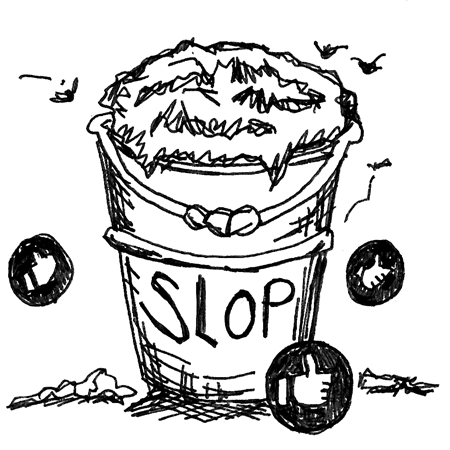
An optimist will tell you I am underselling it, and they have a point worth hearing: an AI’s latent space genuinely can surface combinations no human would reach, so perhaps it expands the new rather than exhausting it. Maybe. But a novel combination that nobody meant and nobody cares about is not new. It is noise. Which is exactly where slop comes from.
And this is where it stops being a seminar and starts being your marketing budget. Every brand now has the same infinite pastiche machine. Content is about to arrive as an endless, frictionless stream of competent recombination, all of it technically fine, none of it about anything. In a world where everything is remix and the remixing is free, the one scarce thing left is a point of view worth remixing towards. The machine gives everyone the same paints. It cannot give you a reason to pick up the brush.
Which, it turns out, is the whole of postmodernism’s answer, arrived at from the other direction. If nothing is new, then the value was never in the newness. It was in the meaning you brought to the arrangement. Intent is the last thing that is scarce.
My lecturer tried to tell me all of this. I wrote it down wrong, failed the paper, and spent a summer retaking it. Two decades later, a machine that has read everything and understood nothing finally made it land.
Turns out I passed the module. I was just twenty years late.